
I operate from two locations, allowing me to serve clients and communities in both areas. Let me introduce them to you.
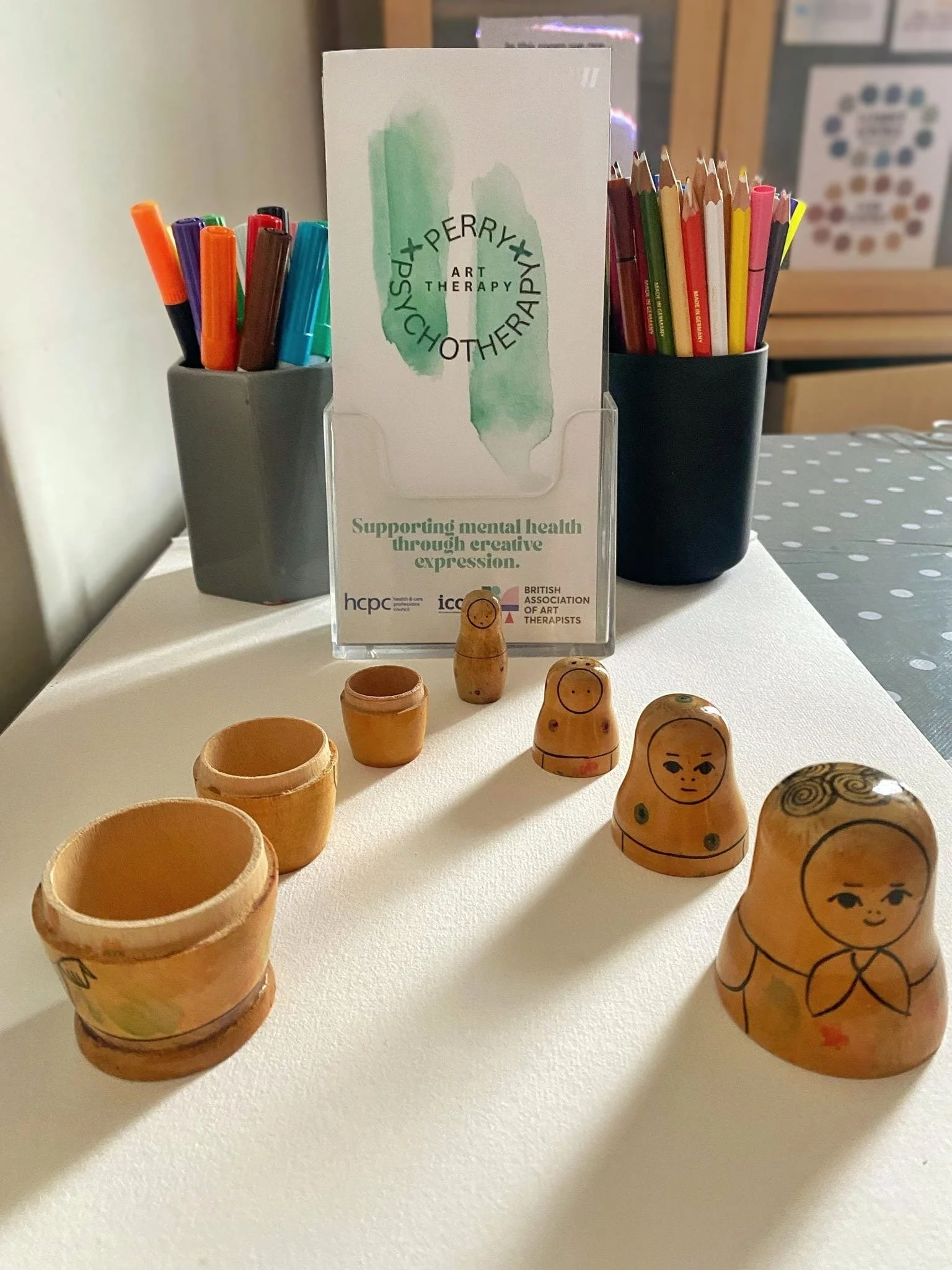
Welcome to the Therapy Room at 45 Frederick Street, Edinburgh
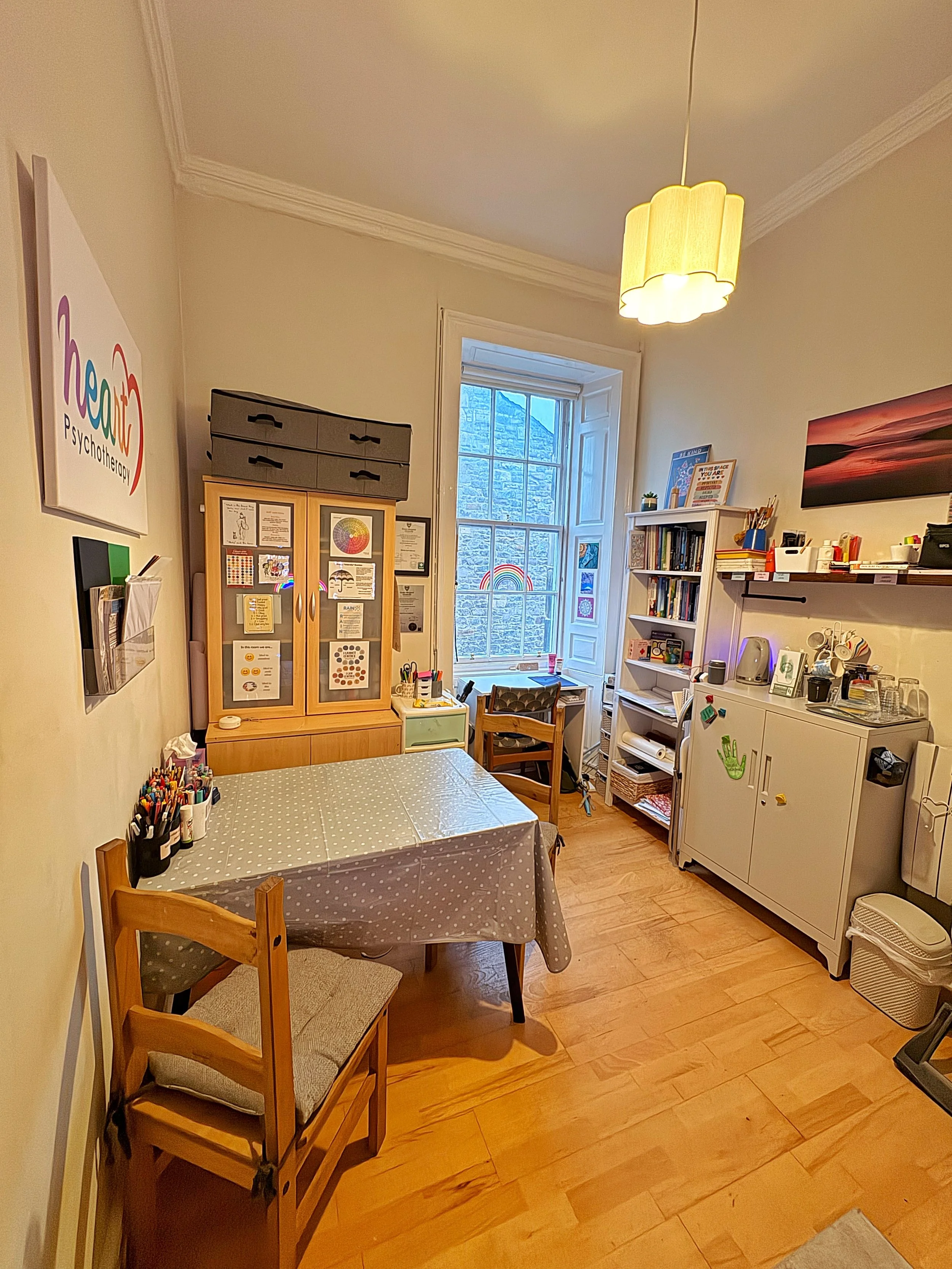
Tucked away in Edinburgh’s beautiful New Town, my therapy room at 45 Frederick Street is a peaceful, private space designed to support reflection, creativity, and connection. Whether you're coming to talk, play, or explore through art, this space offers a warm and welcoming environment tailored to your needs.
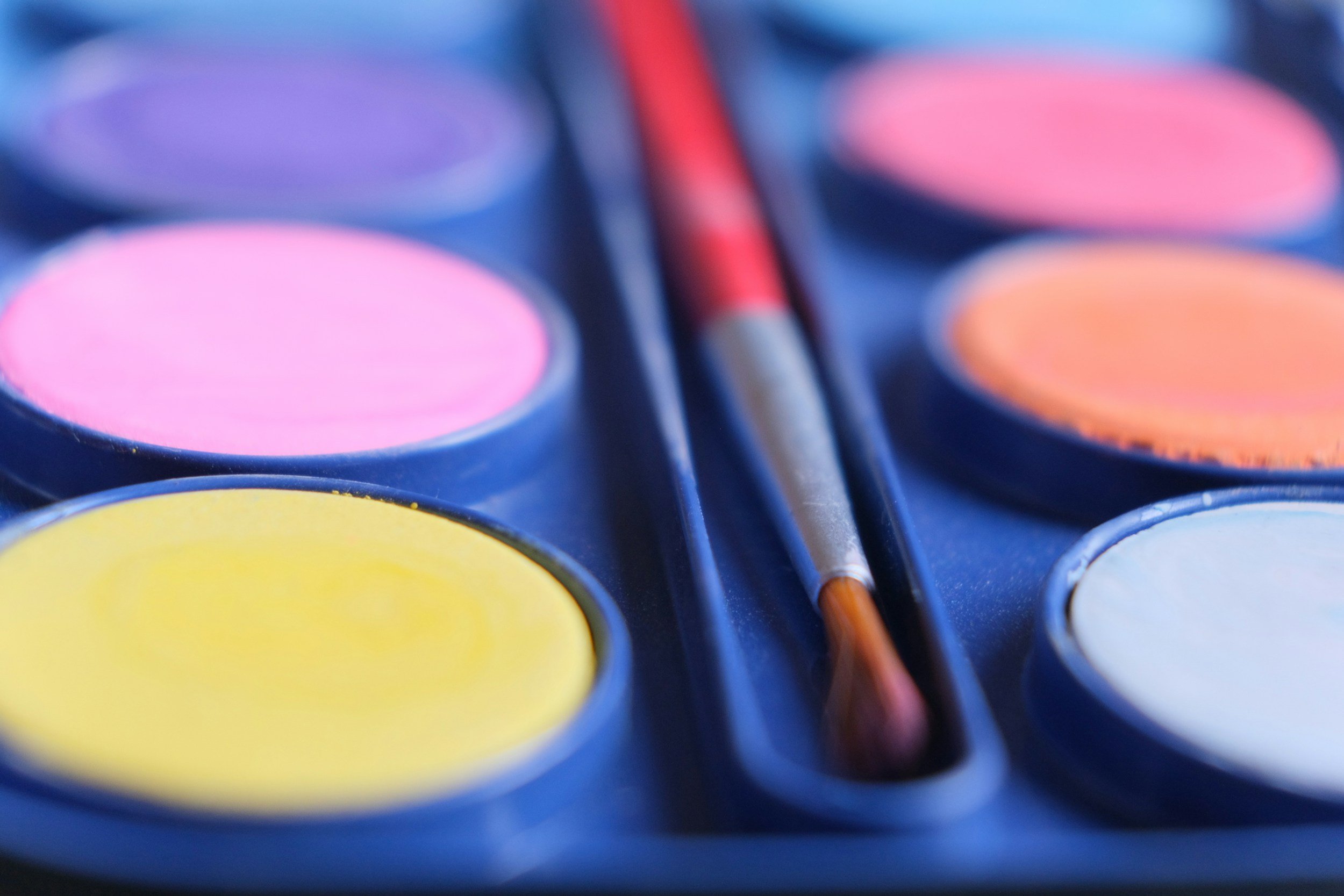
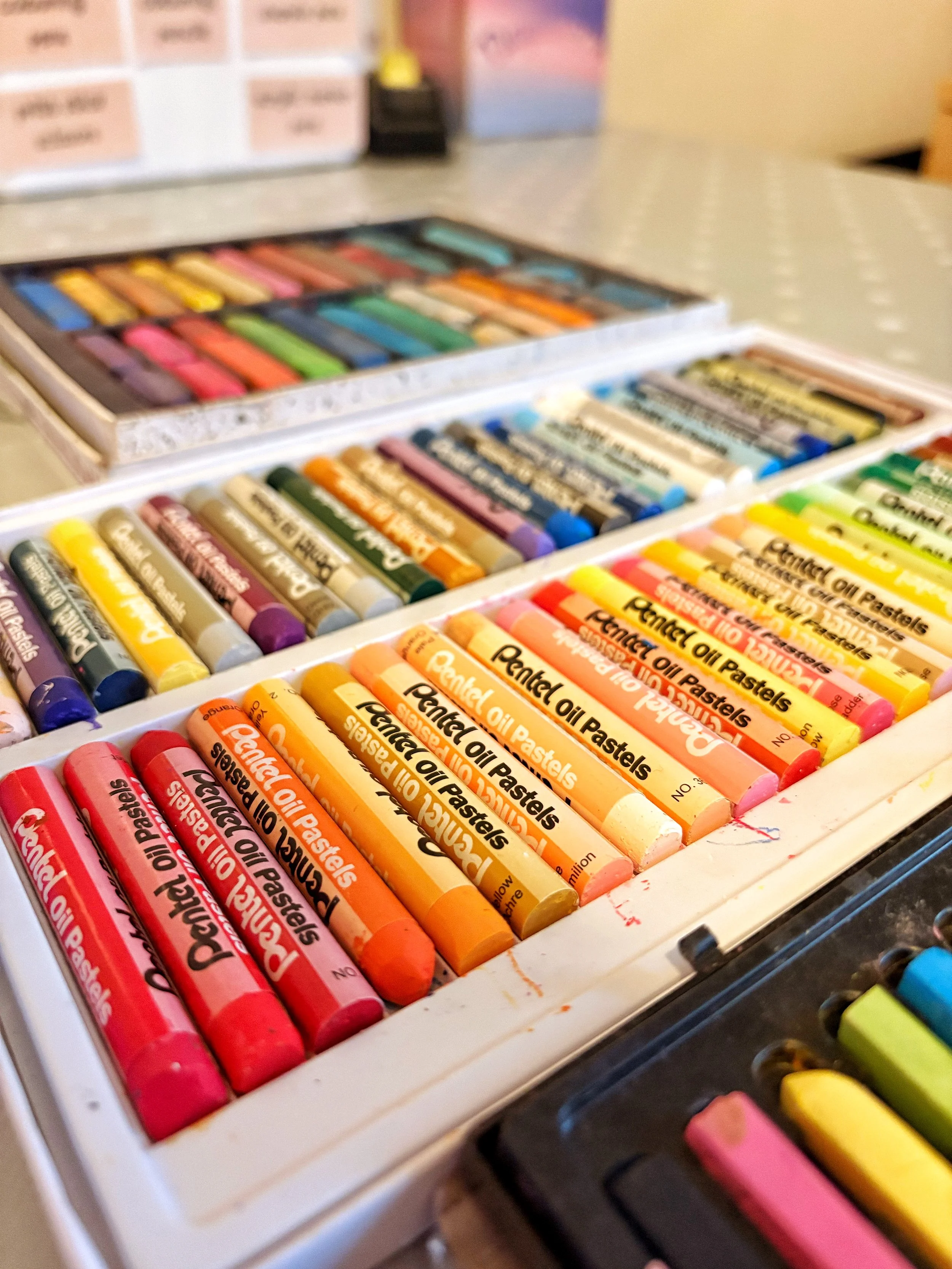
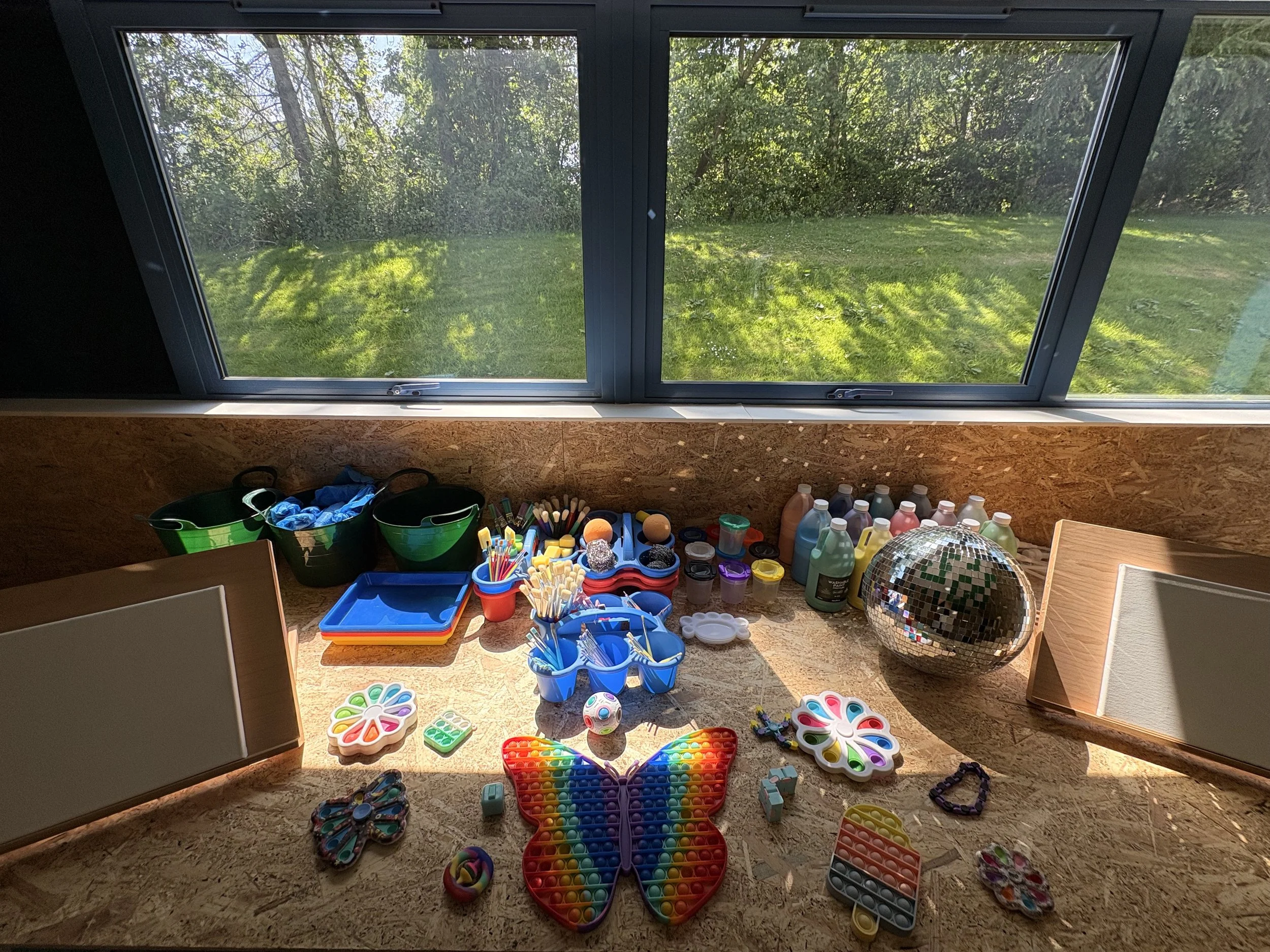
The room is light-filled and cosy, thoughtfully set up with art materials, sensory resources, and soft furnishings to help children and young people feel at ease. It’s a space where emotions can be expressed freely, at your own pace, in your own way.
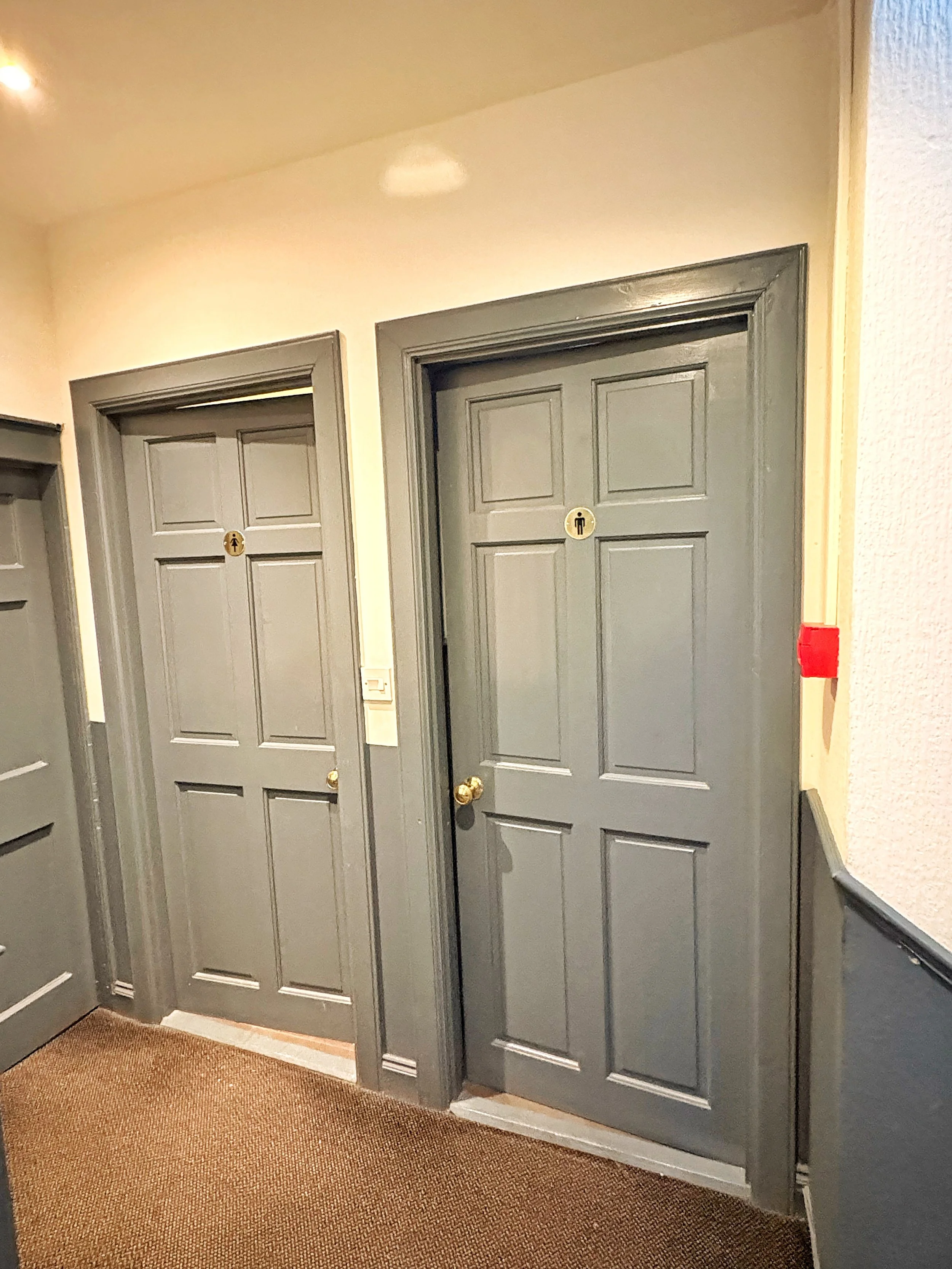
There’s also a comfortable shared waiting area just outside the room, perfect for parents, carers, or anyone accompanying a young person to session. You're welcome to take a seat, enjoy a quiet moment, simply relax while you wait or head on out and return for pick up.
Please note: due to the character of this lovely old building, the room is located up two flights of stairs and unfortunately does not have lift access. I completely understand this may be a barrier for some clients, and I’m happy to discuss alternative arrangements if needed.
If you're curious about the space or would like to visit before starting sessions email or call to book in. I offer free discovery calls & meet and greets.
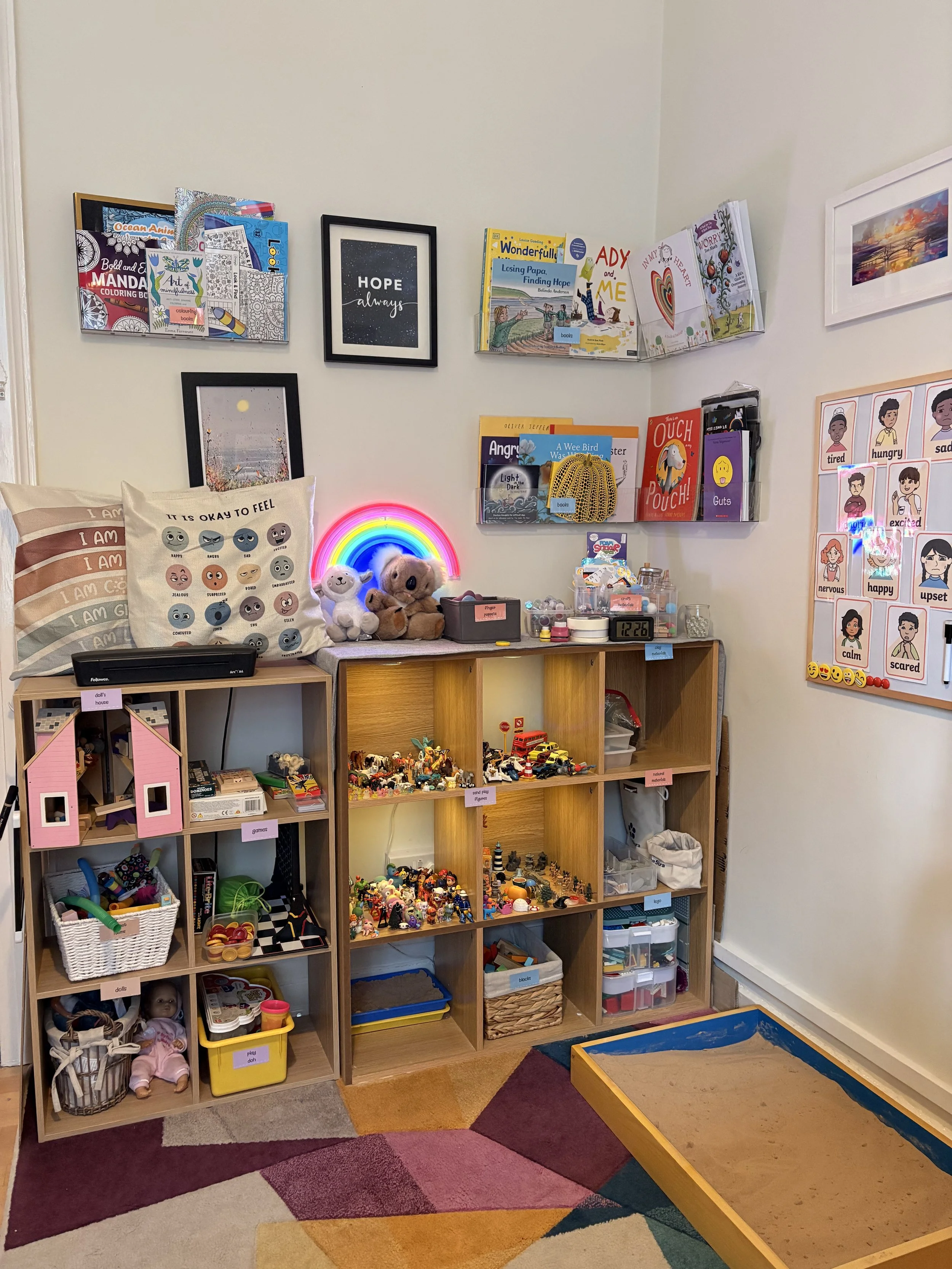
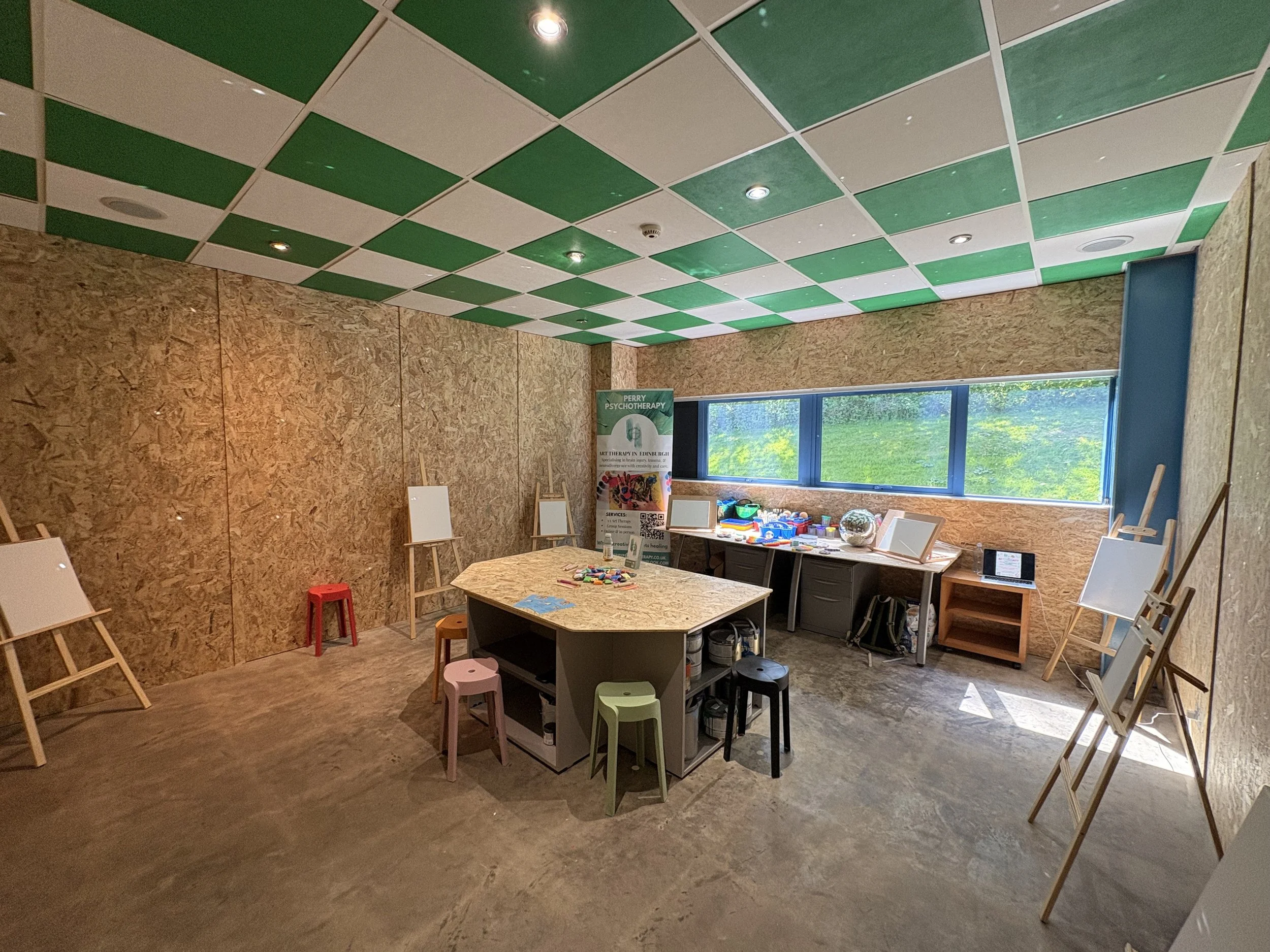
Welcome to the therapy room at Rainbow Rascals, Livingston
Welcome to Rainbow Rascals Livingston, a warm, creative and fully accessible space where children and families can feel safe, supported and free to express themselves. The setting is designed to be inclusive for everyone, with weekly 1:1 art therapy sessions and wellbeing groups that encourage creativity, confidence and connection in a fun, relaxed environment.
Alongside the therapeutic and creative activities, families can also enjoy soft play, a welcoming café area, and engaging music sessions, making Rainbow Rascals a vibrant community space where play, wellbeing and belonging come together.
Why might you seek art therapy?
Art therapy can be a helpful space for those experiencing anything from big emotional upheavals to quieter, everyday difficulties:
Everyday worries: anxiety, fear, nightmares, low mood
Emotional challenges: anger, bullying, school transitions, stress & burnout, relationship difficulties, identity & life transitions.
Deep support: trauma recovery, bereavement, family separation, grief & loss and identity.
Developmental needs: neurodivergence, emotional regulation, brain injury
The therapist holds and guides, but the client leads, all at their pace.
-
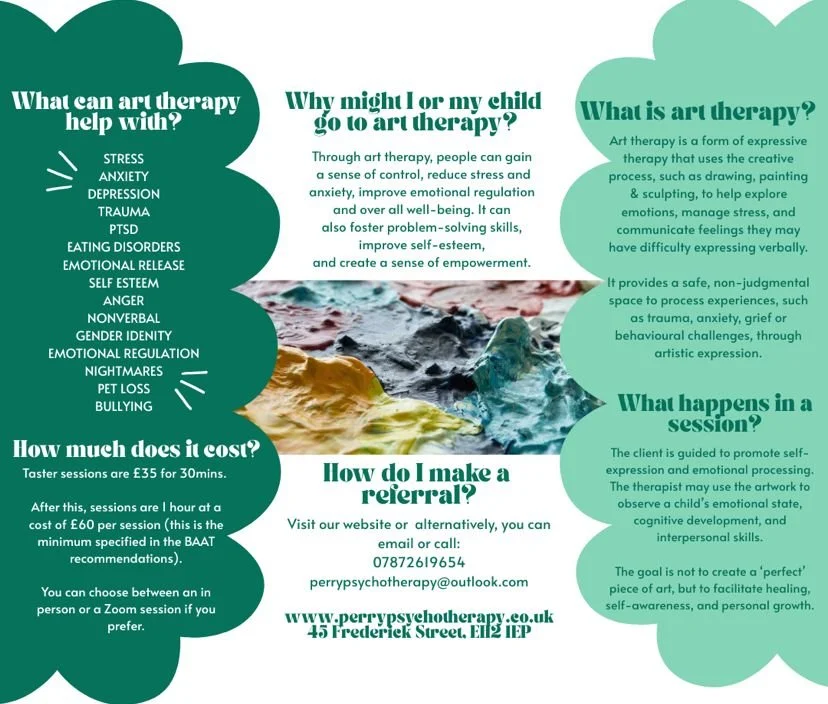
Art therapy can be beneficial for individuals who may have difficulty expressing themselves verbally, such as those dealing with trauma, anxiety, depression or other mental health issues. It can help people of all ages to explore feelings, foster self-awareness, manage behaviour, develop social skills, increase self-esteem and facilitate personal growth.
-
Art therapy is a scientifically recognised form of therapy. It has been shown to involve pathways in the brain that are part of sensory functions and motor skills. Specific parts of the brain involved in major functions of the body are improved by this type of therapy.
-
Artwork is stored confidentially by the therapist and is suggested that all work is kept together to review with you when ready then take it all home on your last session. If taking your work home is more helpful for the client this can also be an option. For working online, you may wish to email an image of your artwork that you made on the session to your therapist.
-
The therapist can help prompt you, the process can be guided on your feelings, thoughts and experiences. As you create art, the therapist will encourage you to explore your inner world and discuss your artwork. Through this dialogue, you can reflect on the feelings, memories and associations that arise during the creative process. The therapist will help you navigate and interpret your own creative process.
-
Confidentiality is broken if the art therapist has concerns about the clients (or another person's) safety, she is legally obliged to contact the appropriate professionals. On these occasions she will speak to the client or parent of the client directly before acting but only if this will not put the client (or other person) in danger.
FAQs
Angry joel, the boy who was hurt
In 2024, I created the artwork for Angry Joel, The Boy Who Was Hurt, a digital story developed with Heart Psychotherapy to support trauma-informed practice.
Joel’s story reflects the reality for many children whose challenging behaviour masks deep hurt. Misunderstood at school and carrying adverse experiences from birth, Joel was judged as “bad” long before anyone understood what he was living with.
The message is simple:
• We can’t assume anything about a child’s behaviour without knowing their story.
• All behaviour is communication. There is always something underneath.
When Joel finally had a safe adult to confide in — supported by his teacher, Miss Zain — everything shifted. With someone to hold his worries, he felt calmer, less overwhelmed, and no longer alone.